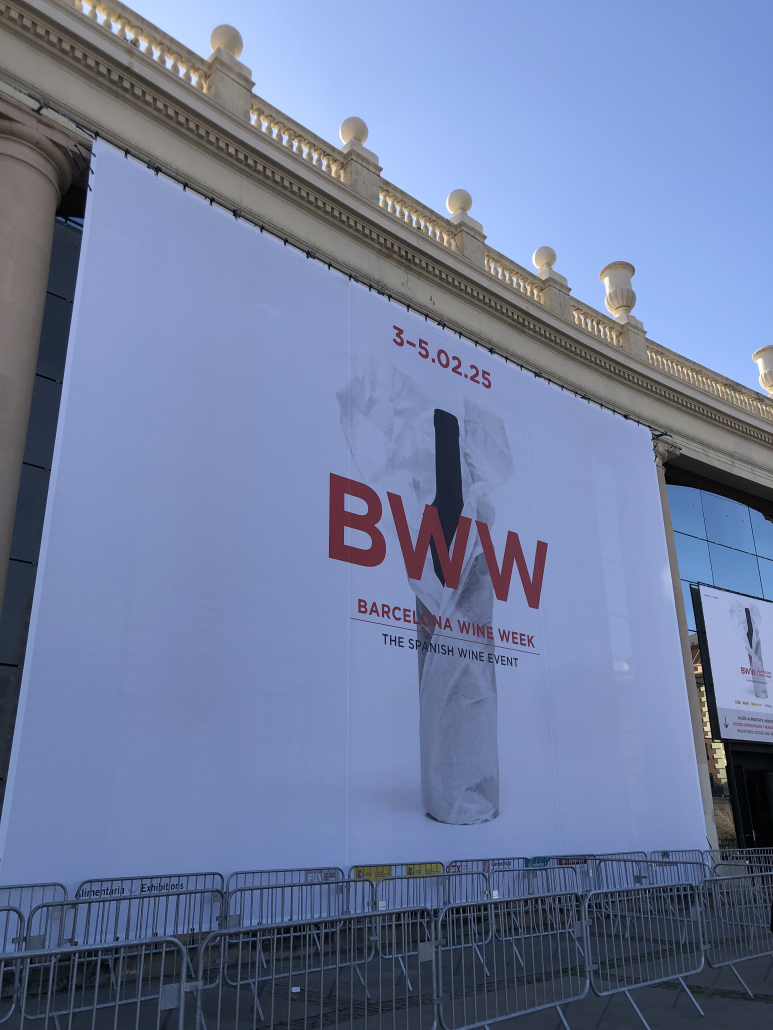
February and March are vertigo-inducing months in the wine calendar. Fairs, congresses, industry meetings… Everything seems to converge on the same dates, creating a fascinating paradox: the excitement of new producers arriving with energy and the desire to conquer the world, set against the scepticism of veterans who see these events as more of a cost than an investment.
For the exhibitors—wine producers, commercial teams, distributors—this is a commitment of time and resources. You have to be in the right place, with the right people, at the right time. But, how much business is actually closed at a fair? Does the investment pay off, or are we witnessing an events model that benefits the organisers more than the participants?
For the visitors—buyers, sommeliers, journalists, “winelovers”—the perspective is different. Each fair is an opportunity to discover, compare and explore. But here too a dilemma arises: with so much to choose from, how do you tell what is relevant from what is superficial?
The Boom of New Producers vs. the Doubt of the Veterans
There is something undeniably refreshing about the enthusiasm of those making their debut at a fair. Young producers, emerging brands and projects that breathe authenticity and energy. For them, these events are a catapult, a showcase to present their philosophy and connect with the sector.
At the other end of the spectrum are the veterans, those who have attended so many fairs they have lost count. For many, the fatigue is real: catalogues full of business cards that never turn into orders, unanswered meetings, and a growing sense that fairs have stopped being what they once were.
The State of Wine in 2025: Reset, Not Collapse
This debate about the usefulness of fairs sits within a broader reality: the current state of the wine industry. According to the latest State of the Wine Industry Report 2025 by Rob McMillan, wine is not in crisis, but it is in a profound demand reset.
Some key points:
Generation Z and Millennials: It is not that they do not drink wine; it is that the industry is not winning them over. It has not adapted to their habits or their drinking occasions.
Drinking occasions: Wine remains anchored in tradition and needs to modernise to fit today’s social experiences.
E-commerce and digitalisation: It is not optional, it is essential.
Sustainability and transparency: They are not just trends, but key factors in purchase decisions.
Oversupply and excess stock: Price adjustments and creative strategies are more urgent than ever.
The anti-alcohol movement: Wine must defend its space intelligently and constructively.
Innovation and strategy: The industry has always changed, but now change is imminent and it must be led, not resisted.
And now what?
Fairs will continue to be a key meeting point, but perhaps their evolution will involve more personalised formats, more selective experiences and more strategic meetings.
Are fairs still profitable? What does the future of the sector look like in this new cycle?
Recommended wine: La Ravera Macabeo Orange . Bodega María de la Recueja . PGI Vino de la Tierra de Castilla
Para ofrecer las mejores experiencias, utilizamos tecnologías como las cookies para almacenar y/o acceder a la información del dispositivo. El consentimiento de estas tecnologías nos permitirá procesar datos como el comportamiento de navegación o las identificaciones únicas en este sitio. No consentir o retirar el consentimiento, puede afectar negativamente a ciertas características y funciones.
Funcional
Always active
El almacenamiento o acceso técnico es estrictamente necesario para el propósito legítimo de permitir el uso de un servicio específico explícitamente solicitado por el abonado o usuario, o con el único propósito de llevar a cabo la transmisión de una comunicación a través de una red de comunicaciones electrónicas.
Preferencias
El almacenamiento o acceso técnico es necesario para la finalidad legítima de almacenar preferencias no solicitadas por el abonado o usuario.
Estadísticas
El almacenamiento o acceso técnico que es utilizado exclusivamente con fines estadísticos.El almacenamiento o acceso técnico que se utiliza exclusivamente con fines estadísticos anónimos. Sin un requerimiento, el cumplimiento voluntario por parte de tu Proveedor de servicios de Internet, o los registros adicionales de un tercero, la información almacenada o recuperada sólo para este propósito no se puede utilizar para identificarte.
Marketing
El almacenamiento o acceso técnico es necesario para crear perfiles de usuario para enviar publicidad, o para rastrear al usuario en una web o en varias web con fines de marketing similares.